Compound Profile: MGF
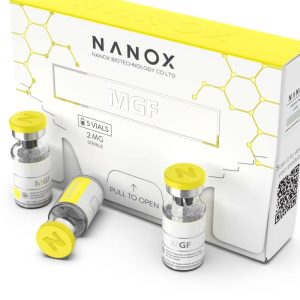
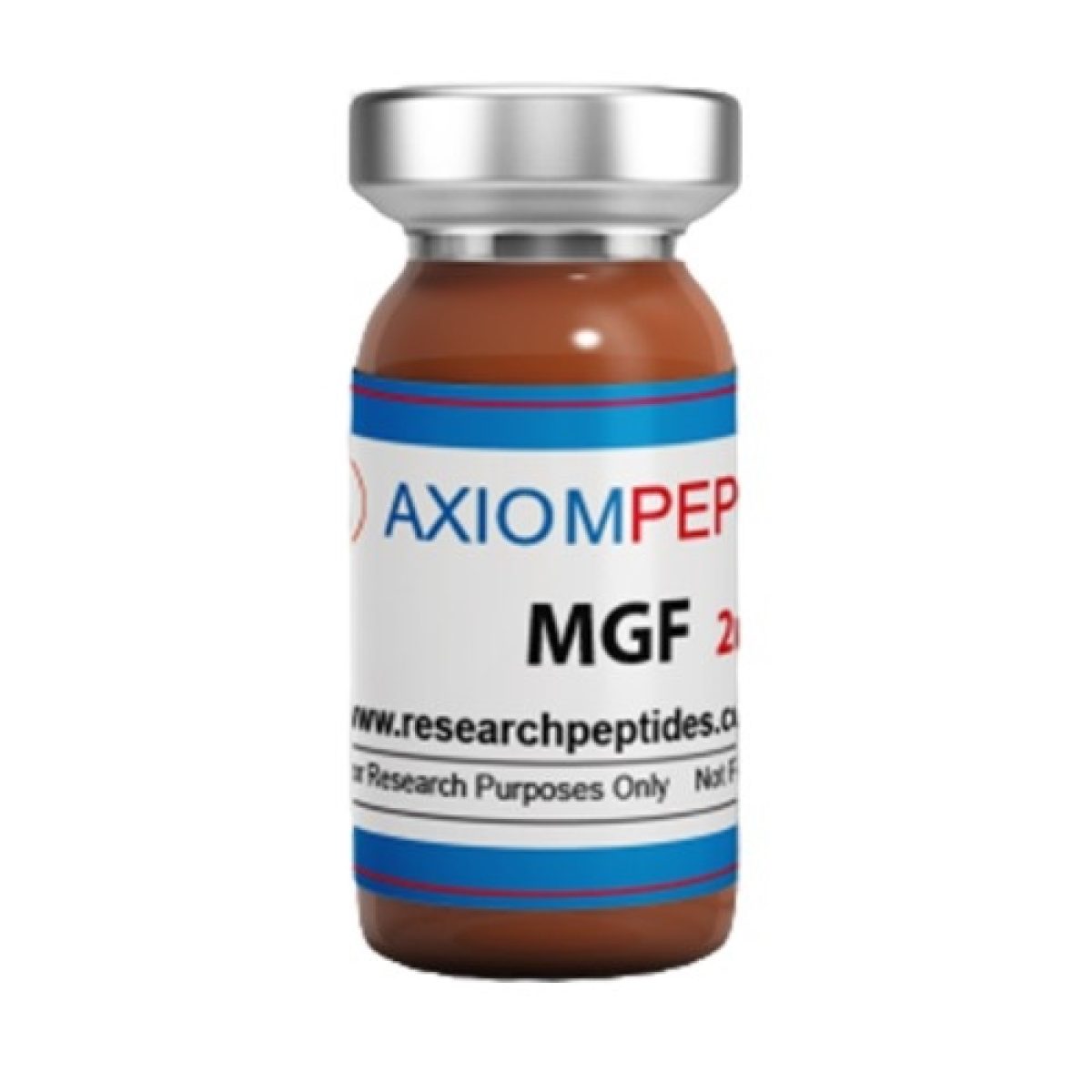
MGF is a splice variant of insulin-like growth factor (IGF-1) that researchers investigate for its tissue-specific anabolic properties. This mechanistic growth factor represents a specialised form of IGF that demonstrates localised activity patterns in muscle tissue models. Axiom Peptides supplies this research compound as a 2mg lyophilised powder, enabling precise reconstitution protocols for in-vitro applications. The peptide structure contains unique C-terminal sequences that distinguish it from conventional IGF-1, making it valuable for comparative growth factor studies. Laboratory researchers at Stroid UK Shop utilise MGF to examine muscle-specific IGF signalling pathways and their regulatory mechanisms. This compound’s tissue selectivity provides insights into localised growth factor responses that differ from systemic IGF-1 effects in experimental models.
Research Applications
Scientists investigate MGF across multiple research domains including muscle biology, growth factor physiology, and regenerative medicine studies. The compound demonstrates particular utility in muscle tissue culture experiments where researchers examine IGF splice variant effects on cellular proliferation and differentiation. Comparative studies between MGF and conventional IGF-1 reveal distinct signalling patterns that advance understanding of tissue-specific growth factor mechanisms. Research teams studying satellite cell activation frequently incorporate MGF into their experimental protocols to analyse muscle-specific IGF responses. This peptide enables investigation of localised growth factor signalling without systemic IGF interference, making it valuable for mechanistic studies. Within peptide research applications, MGF studies contribute to broader understanding of growth factor splice variants and their biological functions. Scientists also examine MGF interactions with other growth factors to understand complex signalling networks in muscle tissue models. The compound’s unique properties make it essential for research into muscle-specific IGF biology and related therapeutic targets.
Specifications and Storage
| Parameter | Specification |
|---|---|
| Molecular Weight | Verify with supplier |
| CAS Number | Verify with supplier |
| Purity | Research grade |
| Form | Lyophilised powder |
| Storage Temperature | -20°C (long-term) |
| Stability | Stable when stored properly |
Store the lyophilised powder at -20°C in original packaging to maintain compound integrity. Reconstituted solutions should be stored at 2-8°C and used within recommended timeframes. Avoid freeze-thaw cycles that may compromise peptide structure. Handle under sterile conditions using appropriate laboratory protocols for peptide research compounds. This product requires refrigerated shipping to ensure quality upon arrival.
Quality and Compliance
Axiom Peptides manufactures this MGF under controlled laboratory conditions with appropriate quality control measures. Each batch undergoes testing to verify purity and structural integrity for research applications. The compound arrives with supporting documentation including storage recommendations and handling guidelines. Researchers studying selective modulators and research peptides rely on consistent quality standards for reproducible experimental results. This product is manufactured and supplied strictly for in-vitro research purposes only. It is not intended for human or animal consumption, therapeutic use, or any application outside controlled laboratory environments. Researchers must comply with all applicable regulations and institutional guidelines when handling this research compound.