Understanding Turinabol
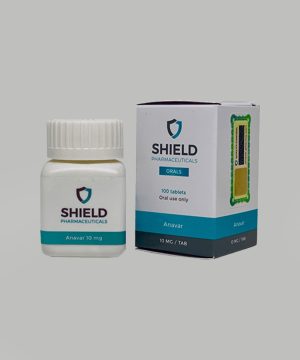
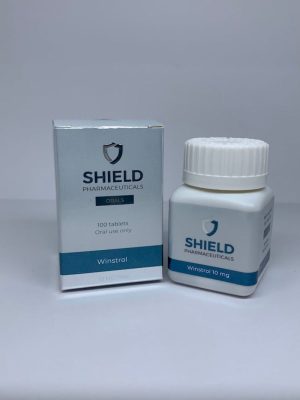
Turinabol 10mg is a chlorodehydromethyltestosterone compound manufactured by Shield Pharma, specifically designed for laboratory research applications. This oral anabolic steroid derivative represents a modified form of Dianabol, engineered for in-vitro studies examining androgenic and anabolic properties. Research scientists at Stroid UK Shop frequently investigate this compound’s molecular structure and binding characteristics in controlled laboratory environments. The 10mg dosage format provides precise measurement capabilities for analytical research protocols.
Scientific Research Applications
Laboratory studies examine Turinabol’s unique molecular modifications, particularly the 4-chloro group addition that distinguishes it from parent compounds. Research applications focus on investigating its binding affinity to androgen receptors and metabolic pathway analysis. Scientists study this compound’s interaction with hepatic enzymes and its comparative anabolic-to-androgenic ratio in tissue culture models. The oral bioavailability characteristics make it suitable for pharmacokinetic studies alongside other oral steroid compounds. Researchers also investigate its structural stability under various pH conditions and temperature variations. Comparative studies often examine this compound against selective androgen receptor modulators to understand receptor selectivity differences. Cross-reference studies with peptide compounds provide insights into different anabolic mechanisms.
Technical Specifications
| Parameter | Specification |
|---|---|
| Active Compound | Chlorodehydromethyltestosterone |
| Concentration | 10mg per tablet |
| Manufacturer | Shield Pharma |
| Form | Oral tablets |
| CAS Number | 2446-23-3 |
| Molecular Formula | C20H27ClO2 |
| Molecular Weight | 334.88 g/mol |
| Storage | Room temperature, dry conditions |
Laboratory Compliance Statement
This Turinabol 10mg Shield Pharma product is manufactured exclusively for in-vitro research purposes and laboratory analytical studies. Not intended for human consumption, therapeutic use, or any application outside controlled research environments. Research institutions must ensure proper storage, handling protocols, and disposal procedures according to laboratory safety guidelines. All studies should be conducted by qualified research personnel in appropriately equipped laboratory facilities.