Research Overview: Turinabol 10 ZETTA
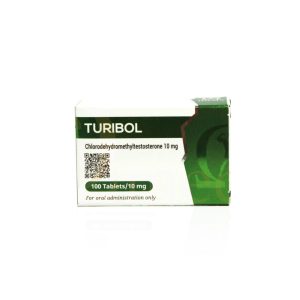
Turinabol 10 ZETTA is a synthetic anabolic-androgenic steroid compound derived from testosterone, specifically designed for controlled laboratory investigations. This research-grade formulation enables comprehensive analysis of anabolic pathways and androgenic receptor interactions within in-vitro environments. Researchers investigating steroid mechanisms frequently examine this compound alongside other research chemicals available through Stroid UK Shop for comparative studies. The compound’s unique structural modifications provide distinct research advantages when studying selective tissue effects and metabolic processes.
Laboratory Research Applications
Scientific investigations utilising Turinabol 10 ZETTA focus on examining anabolic processes, protein synthesis mechanisms, and androgenic receptor binding characteristics. Laboratory studies frequently analyse this compound’s interaction with cellular structures and metabolic pathways. Research applications include investigating tissue-selective effects, examining nitrogen retention mechanisms, and evaluating androgenic activity patterns. Many laboratories combine these investigations with studies involving oral turinabol research compounds to establish comprehensive data sets. Advanced research protocols often incorporate comparative analysis with selective androgen receptor modulators and peptide research materials for broader understanding of anabolic mechanisms.
Technical Specifications
| Parameter | Value |
|---|---|
| Active Compound | 4-Chlorodehydromethyltestosterone |
| Concentration | 10mg per unit |
| Molecular Formula | C20H27ClO2 |
| Molecular Weight | 334.88 g/mol |
| CAS Number | 2446-23-3 |
| Storage | Room temperature, dry conditions |
| Research Grade | Laboratory standard |
| Testing | Purity verified |
Research Compliance Notice
Turinabol 10 ZETTA is manufactured exclusively for in-vitro research purposes and laboratory investigations. This product is not intended for human consumption, therapeutic use, or any application outside controlled research environments. Researchers must ensure proper laboratory protocols and safety measures when handling this compound. All investigations should comply with institutional research guidelines and applicable regulations governing research chemical use.