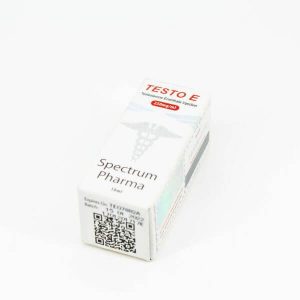
Research Overview: Trenbolone Acetate 100mg Genetic
Trenbolone Acetate is a synthetic anabolic-androgenic steroid derivative originally developed for veterinary applications. This research compound exhibits exceptional binding affinity to androgen receptors, making it a valuable tool for investigating hormone-dependent cellular processes. Laboratory studies demonstrate its potent anabolic properties through enhanced nitrogen retention mechanisms and protein synthesis pathways. Research facilities at Stroid UK Shop utilise this compound to examine molecular interactions within muscle tissue models.
Laboratory Research Applications
Scientific investigations examine Trenbolone Acetate’s influence on cellular metabolism, particularly its effects on gluconeogenesis and lipolysis pathways. Researchers study its interaction with insulin-like growth factor-1 (IGF-1) signalling cascades and myostatin inhibition mechanisms. The compound’s short acetate ester allows for precise temporal control in experimental protocols. Studies compare its effectiveness alongside other research chemicals available in our trenbolone acetate collection. Current research explores its potential applications in understanding muscle wasting conditions and age-related sarcopenia through controlled laboratory analysis.
Technical Specifications
| Molecular Formula | C20H24O3 |
|---|---|
| Molecular Weight | 312.4 g/mol |
| CAS Number | 10161-34-9 |
| Concentration | 100mg/ml |
| Storage Conditions | 15-30°C, protected from light |
| Purity | ≥98% (HPLC verified) |
Advanced research protocols investigate its hepatotoxicity profiles and metabolic clearance rates. Comparative studies examine its potency relative to compounds in our SARMS collection and peptide research catalogue.
Research Compliance Statement
This product is manufactured exclusively for in-vitro laboratory research applications. Trenbolone Acetate 100mg Genetic is not approved for human consumption, therapeutic use, or veterinary applications. Researchers must maintain appropriate laboratory safety protocols and comply with local regulations governing research chemical handling.