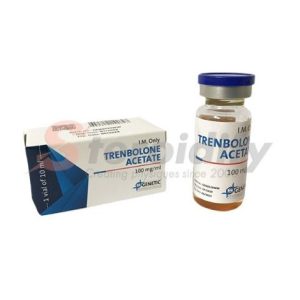
Overview of Trenbolone Acetate for Research Applications
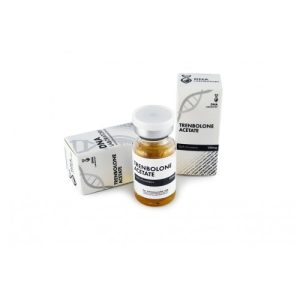
Trenbolone acetate is a potent synthetic anabolic-androgenic steroid derived from 19-nortestosterone, designed specifically for advanced laboratory research. This pharmaceutical-grade compound exhibits exceptionally high binding affinity for androgen receptors, making it an invaluable tool for researchers investigating steroid hormone mechanisms and cellular signalling pathways. Research institutions studying anabolic steroid pharmacology frequently examine trenbolone acetate due to its unique molecular structure and distinct receptor binding characteristics. The compound’s short acetate ester provides researchers with precise control over experimental timelines, enabling detailed investigation of acute hormonal responses in laboratory settings. Scientists at Stroid UK Shop supply this research-grade material exclusively to qualified institutions conducting legitimate studies on steroid biochemistry and molecular endocrinology.
Research Applications in Steroid Science
Laboratory investigations utilising trenbolone acetate focus primarily on its interaction with androgen receptors and subsequent gene expression modifications in cellular models. Research teams examine the compound’s influence on protein synthesis pathways, nitrogen retention mechanisms, and metabolic processes within controlled experimental environments. Studies investigating trenbolone acetate preparations often compare its receptor binding profiles against other anabolic agents to understand structure-activity relationships. The compound serves as a reference standard in comparative studies examining steroid potency and selectivity across different tissue types. Advanced research protocols investigate trenbolone acetate’s effects on muscle protein synthesis, collagen formation, and cellular proliferation rates. Scientists also study its interaction with glucocorticoid receptors and potential anti-catabolic properties in laboratory models. Research teams examining endocrine disruption frequently use this compound alongside selective androgen receptor modulators to understand tissue-selective effects. Additionally, metabolic studies investigate trenbolone acetate’s influence on lipid oxidation and glucose metabolism pathways. Comparative research with research peptides helps scientists understand different approaches to anabolic signalling modulation.
Laboratory Specifications and Storage Requirements
| Parameter | Specification |
|---|---|
| Chemical Name | 17β-Hydroxyestra-4,9,11-trien-3-one acetate |
| Molecular Formula | C₂₀H₂₄O₃ |
| Molecular Weight | 312.4 g/mol |
| CAS Registry | 10161-34-9 |
| Purity Grade | Pharmaceutical research grade |
| Storage Temperature | Room temperature, protected from light |
| Stability | Stable under recommended storage conditions |
| Solubility | Soluble in organic solvents |
Research Compliance and Safety Protocols
This trenbolone acetate preparation is manufactured exclusively for in-vitro research applications and must not be used for human consumption, veterinary purposes, or any non-research activities. All handling procedures must follow institutional safety protocols for steroid research compounds. Researchers must maintain proper documentation of compound usage and disposal according to laboratory waste management guidelines. This product is restricted to qualified research institutions with appropriate licenses for controlled substance research.