Laboratory Overview
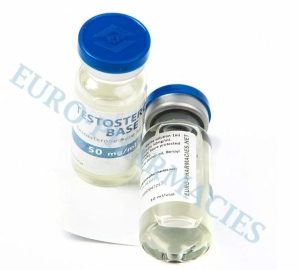
Testosterone Suspension is a water-based testosterone formulation designed for in-vitro research applications studying androgen receptor pharmacology. This aqueous suspension represents the most bioactive form of testosterone available for laboratory investigation, with no esterification to modify its molecular structure. Researchers at Stroid UK Shop utilise this compound to examine rapid-onset androgenic activity and receptor binding kinetics in cellular models.
Research Applications
The aqueous nature of testosterone suspension makes it particularly valuable for studies requiring immediate hormonal activity without metabolic delay from ester cleavage. Laboratory investigations focus on androgen receptor binding affinity, tissue selectivity patterns, and cellular response mechanisms. Research teams studying steroid injection formulations examine how aqueous preparations affect absorption rates and bioavailability compared to oil-based alternatives. Cross-comparative studies with selective androgen receptor modulators help evaluate tissue-specific activity profiles. Additionally, metabolic research investigating how suspension formulations interact with peptide hormone pathways provides insights into complex endocrine signalling cascades.
Technical Specifications
| Parameter | Value |
|---|---|
| Chemical Name | 17β-Hydroxyandrost-4-en-3-one |
| CAS Number | 58-22-0 |
| Molecular Formula | C₁₉H₂₈O₂ |
| Molecular Weight | 288.42 g/mol |
| Form | Aqueous suspension |
| Volume | 10ml vial |
| Storage | 2-8°C, protect from light |
| Stability | 36 months when stored correctly |
Compliance Statement
This Testosterone Suspension formulation from Odin Pharmaceuticals is supplied exclusively for in-vitro research purposes. Not approved for human consumption, therapeutic use, or any application outside controlled laboratory environments. Researchers must comply with institutional guidelines and applicable regulations when handling this research chemical. Laboratory safety protocols and proper disposal methods must be followed during all experimental procedures.