
Research Overview: Testosterone Cypionate 250mg
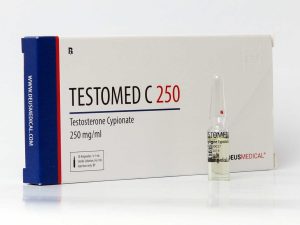
Testosterone Cypionate 250mg Genetic is a laboratory-grade anabolic steroid compound developed for comprehensive in-vitro research applications. This synthetic testosterone ester enables researchers to investigate hormonal mechanisms, anabolic pathways, and testosterone replacement protocols in controlled laboratory environments. The cypionate ester formulation provides extended release characteristics, making it particularly valuable for studies examining sustained testosterone activity. Researchers at Stroid UK Shop utilise this compound to analyse hormonal responses and metabolic processes under controlled conditions.
Laboratory Research Applications
Scientists employ Testosterone Cypionate 250mg to examine various research parameters including protein synthesis mechanisms, nitrogen retention studies, and androgen receptor binding affinity. This compound proves essential for investigating testosterone’s role in muscle tissue development, bone density research, and metabolic function analysis. Laboratories studying hormonal replacement therapies often incorporate this compound alongside other research chemicals available in our testosterone research category. Researchers examining comparative studies frequently analyse this compound alongside SARMs compounds to evaluate different anabolic mechanisms. Advanced research protocols may incorporate complementary compounds from our peptide research collection for comprehensive hormonal studies.
Technical Specifications
| Parameter | Specification |
|---|---|
| Active Compound | Testosterone Cypionate |
| Concentration | 250mg/ml |
| Molecular Formula | C27H40O3 |
| Molecular Weight | 412.61 g/mol |
| CAS Number | 58-20-8 |
| Storage Temperature | Room temperature, dry conditions |
| Research Grade | Laboratory standard |
| Solubility | Oil-based solution |
Research Compliance Statement
Testosterone Cypionate 250mg Genetic is manufactured exclusively for in-vitro laboratory research applications. This compound is not intended for human consumption, therapeutic use, or any application outside controlled scientific research environments. Researchers must maintain appropriate laboratory protocols and safety measures when handling this research chemical. All studies should be conducted in accordance with institutional research guidelines and applicable regulations governing laboratory research compounds.