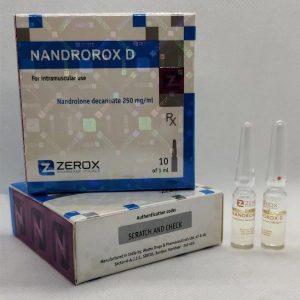
Research Overview: TESTOPEX E SIXPEX
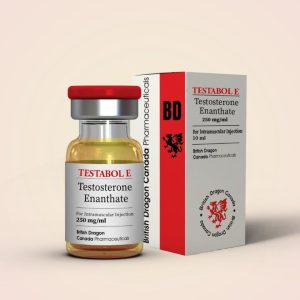
TESTOPEX E SIXPEX is a pharmaceutical-grade testosterone enanthate preparation engineered by Sixpex laboratories for comprehensive in-vitro research applications. This long-acting esterified testosterone compound serves as an essential research tool for examining androgenic pathways, protein synthesis mechanisms, and anabolic processes in controlled laboratory environments. Researchers at Stroid UK Shop utilise this formulation to investigate the molecular interactions between testosterone derivatives and androgen receptor binding sites across various tissue samples.
Scientific Applications
This testosterone enanthate preparation enables researchers to study sustained androgen receptor activation patterns and examine how extended-release ester formulations influence cellular uptake mechanisms. Laboratory investigations commonly evaluate muscle protein synthesis pathways, nitrogen retention dynamics, and metabolic rate modifications in tissue culture models. The compound’s extended half-life characteristics make it particularly valuable for longitudinal studies examining androgenic signalling cascades over extended research periods. Scientists studying comparative testosterone enanthate formulations frequently incorporate this preparation alongside other research compounds from our SARMs collection and peptide research range to examine synergistic molecular interactions.
Product Specifications
| Parameter | Specification |
|---|---|
| Active Compound | Testosterone Enanthate |
| Manufacturer | Sixpex Laboratories |
| Chemical Formula | C₂₆H₄₀O₃ |
| Molecular Weight | 400.59 g/mol |
| CAS Number | 315-37-7 |
| Storage Requirements | Room temperature, protect from light |
| Research Grade | Laboratory standard |
Research Compliance Statement
TESTOPEX E SIXPEX testosterone enanthate is manufactured exclusively for in-vitro laboratory research and analytical testing purposes. This product is not intended for human consumption, veterinary use, or any application outside controlled scientific research environments. Researchers must ensure compliance with all applicable laboratory safety protocols and institutional guidelines when handling this compound. All research applications should be conducted by qualified laboratory personnel in appropriate research facilities with proper analytical equipment and safety measures in place.