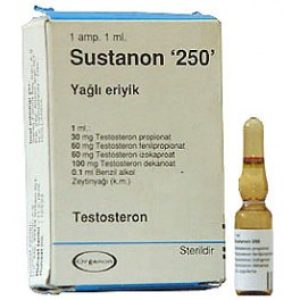
Research Overview: Testogen-250 Depot Calvin Scott
Testogen-250 Depot Calvin Scott is a testosterone enanthate research compound specifically formulated for comprehensive in-vitro laboratory investigations. This high-purity research material enables scientists to examine androgenic hormone pathways, metabolic processes, and cellular responses within controlled laboratory environments. Researchers at Stroid UK Shop utilise this compound to investigate the fundamental mechanisms of testosterone metabolism and its interactions with various cellular systems.
Laboratory Research Applications
Scientists study Testogen-250 Depot Calvin Scott to analyse testosterone enanthate’s molecular behaviour in cellular assays and tissue culture models. Research applications include investigating androgenic receptor binding kinetics, examining metabolic conversion pathways, and evaluating cellular uptake mechanisms. The compound serves as a valuable tool for endocrinology research, enabling detailed analysis of hormone-dependent cellular processes. Researchers often investigate this material alongside other compounds from our testosterone enanthate category to examine comparative molecular behaviours. Advanced studies utilise this research compound to evaluate hormonal cascade effects and examine receptor-mediated cellular responses. Laboratory investigations frequently compare testosterone enanthate derivatives with compounds from our SARMs collection and peptides range to understand selective tissue targeting mechanisms.
Research Specifications
| Parameter | Specification |
|---|---|
| Active Compound | Testosterone Enanthate |
| Concentration | 250mg/ml |
| Research Purity | ≥98% |
| Storage Temperature | 2-8°C |
| Shelf Life | 36 months |
| Molecular Formula | C26H40O3 |
| Molecular Weight | 400.6 g/mol |
| CAS Number | 315-37-7 |
Research Compliance Statement
Testogen-250 Depot Calvin Scott is manufactured exclusively for in-vitro research purposes and laboratory investigations. This research compound is not intended for human consumption, therapeutic use, or any application outside controlled laboratory environments. Researchers must maintain appropriate safety protocols and institutional approval when studying this material.