
Understanding Test E 300 Research Applications
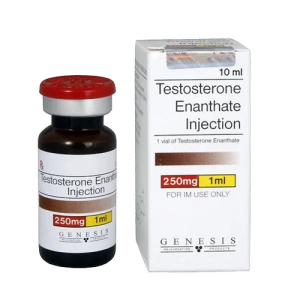
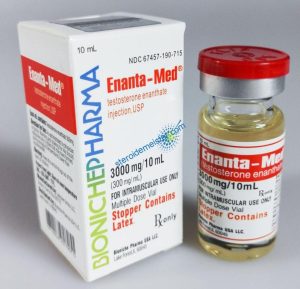
Test E 300 Cenzo Pharma is a testosterone enanthate preparation specifically formulated for in-vitro laboratory research examining androgen receptor dynamics and steroidogenesis pathways. This compound represents the long-acting ester form of testosterone, allowing researchers at Stroid UK Shop to investigate extended-release pharmacokinetics and receptor binding characteristics in controlled laboratory environments. The enanthate ester modification provides unique research opportunities for studying hormone metabolism and tissue-specific androgenic responses.
Scientific Research Framework
Testosterone enanthate serves as an essential reference standard in androgenic steroid research, enabling scientists to examine receptor affinity patterns, metabolic conversion pathways, and tissue distribution models. Research institutions studying endocrinology frequently investigate this compound’s interaction with androgen receptors and its conversion to active metabolites including dihydrotestosterone. Studies examining testosterone enanthate preparations contribute valuable data to understanding androgenic signalling mechanisms and hormonal feedback loops in laboratory models.
Technical Specifications
| Parameter | Specification |
|---|---|
| Concentration | 300mg/mL |
| Chemical Name | Testosterone Enanthate |
| CAS Registry | Verify with supplier |
| Molecular Formula | Verify with supplier |
| Storage Conditions | Room temperature, dry environment |
| Research Grade | Laboratory standard |
Research teams investigating hormone replacement protocols and androgenic compound behaviour often examine testosterone enanthate alongside other research chemicals available through our SARMs collection and peptide research compounds to establish comparative efficacy profiles and receptor selectivity patterns in controlled studies.
Research Compliance Statement
Test E 300 Cenzo Pharma is supplied exclusively for in-vitro laboratory research purposes and scientific investigation. This product is not intended for human consumption, clinical application, or therapeutic use. Researchers must ensure compliance with local regulations and institutional safety protocols when handling this compound in laboratory environments.