
TB-500 Research Peptide Overview
TB-500 is a synthetic acetate salt peptide sequence derived from thymosin beta-4, specifically engineered for tissue regeneration and wound healing research applications. This 43-amino acid sequence represents the active fragment responsible for promoting cellular migration, angiogenesis, and tissue repair mechanisms in laboratory studies. Researchers at Stroid UK Shop investigate TB-500’s potential in understanding how cells coordinate during healing processes and vascular development.
Laboratory Research Applications
Scientific investigations examine TB-500’s role in promoting endothelial cell migration and capillary formation during angiogenesis research. Studies focus on its interaction with actin-binding proteins and how this influences cellular motility patterns. Researchers analyse the peptide’s effects on inflammatory response modulation and collagen synthesis pathways. Advanced peptide research programs investigate its potential mechanisms in promoting keratinocyte migration and fibroblast proliferation. Laboratory protocols examine how TB-500 influences growth factor expression, particularly VEGF and bFGF production. Comparative studies with other regenerative compounds available through specialised research suppliers help elucidate distinct molecular pathways. Tissue engineering applications investigate TB-500’s role in scaffold-based regenerative medicine approaches, examining cellular adhesion and differentiation patterns.
Technical Specifications
| Parameter | Value |
|---|---|
| Molecular Formula | C212H350N56O78S |
| Molecular Weight | 4963.44 g/mol |
| Sequence | Ac-Ser-Asp-Lys-Pro-Asp-Met-Ala-Glu-Ile-Glu-Lys-Phe-Asp-Lys-Ser-Lys-Leu-Lys-Lys-Thr-Glu-Thr-Gln-Glu-Lys-Asn-Pro-Leu-Pro-Ser-Lys-Glu-Thr-Ile-Glu-Gln-Glu-Lys-Gln-Ala-Gly-Glu-Ser |
| Purity | >98% |
| Storage | -20°C, protected from light |
| Solubility | Water, saline solutions |
Research Compliance Statement
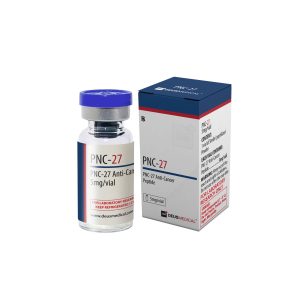
This TB-500 2mg formulation by Deus Medical is manufactured exclusively for in-vitro research and laboratory analysis purposes. Researchers must maintain appropriate biosafety protocols and institutional oversight when conducting studies. The compound requires proper storage conditions and handling procedures consistent with laboratory safety standards. All research applications should align with institutional review board approvals and applicable regulatory frameworks governing peptide research studies.