Research Applications and Mechanism
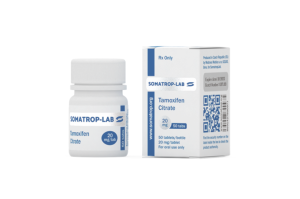
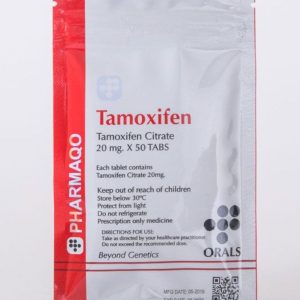
Tamoxifen Actavis is a non-steroidal selective estrogen receptor modulator (SERM) recognised for its complex tissue-selective mechanisms in laboratory research. This pharmaceutical-grade compound functions as a competitive antagonist at estrogen receptors in breast tissue while demonstrating agonist activity in bone and endometrial tissues within preclinical models. Researchers at Stroid UK Shop investigate tamoxifen’s dual-action properties across various experimental protocols examining estrogen receptor signalling pathways.
Laboratory Investigation Protocols
Scientific studies examine tamoxifen’s modulation of estrogen receptor-mediated gene transcription in cell culture systems. Research laboratories utilise this compound to investigate the molecular mechanisms underlying selective estrogen receptor modulation, particularly in studies examining tissue-specific estrogen responses. The compound serves as an essential research tool for examining estrogen receptor binding kinetics, downstream signalling cascades, and gene expression profiles in controlled experimental conditions. Investigations frequently compare tamoxifen’s effects alongside other aromatase inhibitors to understand distinct mechanisms of estrogen pathway modulation.
Experimental Considerations
Laboratory protocols studying tamoxifen typically examine its pharmacokinetic properties, including tissue distribution patterns and metabolic pathways leading to formation of active metabolites such as endoxifen and 4-hydroxytamoxifen. Research methodologies often incorporate comparative analyses with selective androgen receptor modulators to examine cross-talk between steroid hormone receptor pathways. Advanced research protocols investigate tamoxifen’s effects on cellular proliferation markers, apoptotic pathways, and angiogenic factors in various cell lines. Studies examining peptide hormone interactions with SERM compounds contribute to understanding complex endocrine signalling networks.
Specifications and Compliance
| CAS Number | 10540-29-1 |
|---|---|
| Molecular Formula | C₂₆H₂₉NO |
| Molecular Weight | 371.52 g/mol |
| Purity | Verify with supplier |
| Storage Conditions | Room temperature, protect from light |
This compound is supplied exclusively for in-vitro research purposes and is not intended for human consumption, clinical applications, or any form of in-vivo administration. Researchers must maintain appropriate laboratory safety protocols and institutional oversight when handling this material.