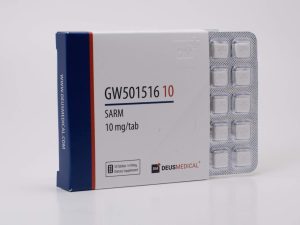
RAD140 Laboratory Research Overview
RAD140 is a selective androgen receptor modulator (SARM) developed for advanced in-vitro research applications examining androgen receptor selectivity and tissue-specific mechanisms. This DEUS MEDICAL formulation delivers 10mg of research-grade RAD140 per capsule, enabling precise laboratory investigations into selective androgen receptor binding pathways. Researchers at Stroid UK Shop can examine this compound’s unique receptor selectivity profile compared to traditional androgenic compounds. The 60-capsule format provides extended research protocols for comprehensive analytical studies examining receptor binding kinetics and cellular response mechanisms.
Research Applications and Cellular Mechanisms
Laboratory investigations with RAD140 focus on its selective binding affinity for androgen receptors in muscle and bone tissues while demonstrating minimal interaction with prostate and sebaceous gland receptors. Research protocols examine the compound’s ability to activate specific anabolic pathways without triggering unwanted androgenic cascades. Scientists studying SARMs research compounds investigate RAD140’s tissue-selective mechanisms through cell culture studies and receptor binding assays. Comparative studies with other SARM compounds reveal distinct pharmacological profiles and receptor activation patterns. Researchers also examine potential synergistic effects when studying RAD140 alongside peptide research compounds in controlled laboratory environments.
Technical Specifications
| Active Compound | RAD140 (Testolone) |
|---|---|
| Concentration | 10mg per capsule |
| Package Size | 60 capsules |
| Manufacturer | DEUS MEDICAL |
| Storage Requirements | Cool, dry conditions |
| Research Applications | Androgen receptor studies |
Laboratory Compliance Statement
RAD140 10 DEUS MEDICAL capsules are manufactured exclusively for in-vitro research applications and laboratory analysis. This product is not approved for human consumption, therapeutic use, or any application outside controlled research environments. Researchers must comply with all applicable laboratory safety protocols and institutional guidelines when handling this research compound.