
Oxandrolone Research Overview
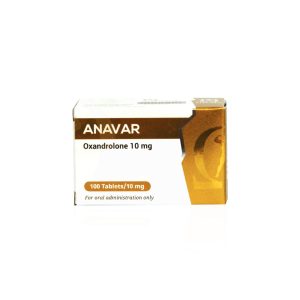
Pro-Anavar (Extra) Beligas is a pharmaceutical-grade oxandrolone formulation designed for advanced laboratory research into anabolic androgenic steroid (AAS) mechanisms. Oxandrolone is a synthetic derivative of dihydrotestosterone characterised by its modified A-ring structure, which researchers examine for its unique androgenic:anabolic ratio properties. This Beligas formulation provides researchers at Stroid UK Shop with a standardised reference compound for investigating steroid hormone pathways and receptor binding studies.
Laboratory Applications
Research scientists utilise oxandrolone compounds to investigate androgen receptor modulation mechanisms and tissue-selective androgenic effects in controlled laboratory environments. Studies examine its structural modifications and their influence on hepatic metabolism, particularly the absence of 17α-alkylation that distinguishes it from other oral AAS compounds. Researchers investigating oxandrolone research applications analyse its effects on nitrogen retention, protein synthesis pathways, and collagen synthesis in cellular models. The compound serves as a valuable tool for comparative studies with other androgenic compounds available through selective androgen receptor modulators and peptide research compounds.
Technical Specifications
| Parameter | Specification |
|---|---|
| Chemical Name | 17β-hydroxy-17α-methyl-2-oxa-5α-androstan-3-one |
| CAS Number | 53-39-4 |
| Molecular Formula | C₁₉H₃₀O₃ |
| Molecular Weight | 306.44 g/mol |
| Manufacturer | Beligas Pharmaceuticals |
| Form | Oral research compound |
| Storage Requirements | Room temperature, dry conditions, protected from light |
Research Compliance Statement
Pro-Anavar (Extra) Beligas is manufactured exclusively for in-vitro laboratory research applications and is not approved for human consumption, therapeutic use, or any clinical application. This product is intended solely for qualified researchers studying androgenic steroid mechanisms, receptor binding interactions, and metabolic pathways in controlled laboratory settings. All research must comply with institutional guidelines and applicable regulations governing the use of research chemicals. Researchers must maintain appropriate safety protocols and documentation when handling this compound in laboratory environments.