OXYMETHOLONE La Pharma: Compound Profile
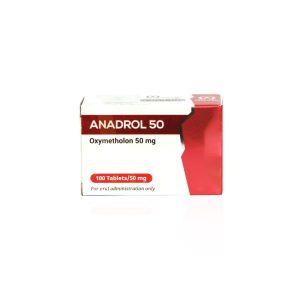
Oxymetholone is an oral anabolic steroid characterised by its 17α-methyl-2-hydroxymethylene-17β-hydroxyandrost-4-en-3-one structure. This synthetic compound is frequently examined in laboratory environments for its effects on protein synthesis pathways and anabolic signalling cascades. Research models demonstrate its potent androgenic receptor binding affinity and downstream metabolic modulation. At Stroid UK Shop, we supply La Pharma formulations exclusively for analytical purposes and molecular pathway investigations.
Laboratory Research Applications
Scientists investigate oxymetholone’s mechanisms in cellular proliferation studies and protein synthesis pathway analysis. Research indicates its interaction with androgen receptor complexes and subsequent gene transcription modulation. Academic institutions examine its effects on nitrogen retention pathways and cellular energy metabolism. Studies evaluate its influence on IGF-1 expression and satellite cell activation mechanisms. Researchers within our oxymetholone tablets category frequently compare its molecular activity against other anabolic compounds. Cross-referencing studies with SARMs research compounds provide valuable comparative data on tissue selectivity mechanisms. Additionally, researchers examine concurrent pathways alongside peptide modulators for comprehensive anabolic pathway mapping.
Technical Specifications
| Parameter | Value |
|---|---|
| Chemical Name | 17β-hydroxy-2-(hydroxymethylene)-17-methyl-5α-androstan-3-one |
| CAS Number | 434-07-1 |
| Molecular Formula | C₂₁H₃₂O₃ |
| Molecular Weight | 332.48 g/mol |
| Form | Oral tablets |
| Manufacturer | La Pharma |
| Storage | Room temperature, dry conditions |
| Purity | Verify with supplier documentation |
Research Compliance Statement
This oxymetholone formulation is manufactured by La Pharma exclusively for in-vitro laboratory research applications. The compound is not intended for human consumption, veterinary use, or any clinical applications. Research institutions must ensure proper handling protocols and waste disposal procedures according to institutional safety guidelines. All studies must comply with relevant research ethics frameworks and institutional review board requirements where applicable.