
Oxymetholone: Compound Profile
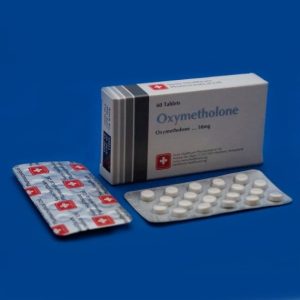
Oxymetholone is a synthetic anabolic androgenic steroid originally developed for investigating muscle wasting conditions and anemia research. This 50mg formulation from Somatrop-Lab provides researchers at Stroid UK Shop with a standardised compound for examining anabolic pathways and protein synthesis mechanisms. The compound’s molecular structure allows for comprehensive studies into androgenic receptor binding affinity and downstream signalling cascades. Laboratory investigations frequently examine oxymetholone’s interaction with muscle tissue samples and its effects on cellular proliferation markers.
Laboratory Research Applications
Research scientists utilise oxymetholone to investigate various biochemical processes including erythropoiesis stimulation and nitrogen retention mechanisms. Studies examine how this compound influences insulin-like growth factor expression and myosin heavy chain synthesis in tissue cultures. Comparative analyses often evaluate oxymetholone against other anabolic compounds available in our oral steroids category. Advanced research protocols investigate the compound’s hepatic metabolism pathways and its interaction with steroid hormone receptors. Cross-referencing studies with SARMs research provide valuable insights into selective receptor modulation. Additionally, researchers studying recovery mechanisms often combine oxymetholone investigations with peptide research to examine synergistic cellular responses.
Technical Specifications
| Active Compound | Oxymetholone |
|---|---|
| Concentration | 50mg per tablet |
| Manufacturer | Somatrop-Lab |
| Form | Oral tablet |
| CAS Number | 434-07-1 |
| Molecular Formula | C21H32O3 |
| Storage | Room temperature, dry conditions |
| Research Use | In-vitro laboratory studies only |
Research Compliance
This oxymetholone formulation is supplied exclusively for in-vitro research purposes and analytical studies. Not approved for human consumption, therapeutic use, or any application outside controlled laboratory environments. Researchers must ensure compliance with institutional guidelines and applicable regulations when conducting studies with this compound.