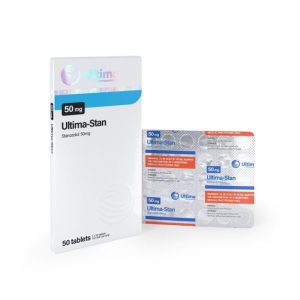
Research-Grade Antibiotic for Laboratory Investigation
OXI K50 KASSEL is a laboratory-grade oxytetracycline antibiotic formulation designed for veterinary research and microbiological studies. This tetracycline-class compound demonstrates broad-spectrum antimicrobial activity against gram-positive and gram-negative bacteria in laboratory settings. Researchers at Stroid UK Shop utilise oxytetracycline preparations to investigate bacterial inhibition mechanisms, protein synthesis interference, and antibiotic resistance patterns in controlled environments.
Laboratory Applications and Research Uses
OXI K50 KASSEL serves as a valuable tool for examining bacterial growth inhibition, studying ribosomal binding interactions, and evaluating antimicrobial efficacy in cell culture systems. Microbiologists investigate its mechanism of action through 30S ribosomal subunit binding studies, whilst veterinary researchers analyse its effects on pathogenic organisms under laboratory conditions. The compound’s chelation properties with metal ions provide additional research opportunities in biochemical studies. Research facilities studying antibiotic mechanisms often incorporate this preparation alongside investigations from our oxytetracycline research collection for comparative analysis.
Technical Specifications and Storage
| Parameter | Specification |
|---|---|
| Active Compound | Oxytetracycline |
| Formulation | K50 Laboratory Grade |
| CAS Number | Verify with supplier |
| Molecular Formula | Verify with supplier |
| Storage Conditions | Cool, dry environment |
| Research Use | In-vitro laboratory only |
Laboratory storage requires controlled temperature conditions away from moisture and direct light. Researchers studying antimicrobial compounds often combine investigations with materials from our selective androgen receptor modulators and peptide research compounds for comprehensive biochemical studies.
Regulatory Compliance and Laboratory Use
OXI K50 KASSEL is supplied exclusively for in-vitro laboratory research purposes. This product is not intended for human consumption, veterinary treatment, or therapeutic applications. Researchers must ensure proper laboratory safety protocols and waste disposal procedures when handling antibiotic compounds. All investigations should comply with institutional guidelines for antimicrobial research and environmental safety standards.