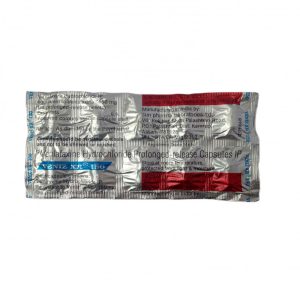
Oxandrolone Research Overview
Oxandrolone is a synthetic anabolic androgenic steroid (AAS) derived from dihydrotestosterone with modifications that enhance oral bioavailability and reduce hepatic metabolism. This OPUS formulation provides researchers with a standardised 50mg concentration for investigating the molecular mechanisms of anabolic steroids in laboratory settings. As a 17α-methylated steroid, oxandrolone demonstrates unique pharmacological properties that differentiate it from testosterone and other AAS compounds. Research laboratories at Stroid UK Shop utilise this compound to study androgen receptor binding affinity, transcriptional activation patterns, and tissue-selective anabolic effects in cellular models.
Laboratory Research Applications
Scientific investigations examine oxandrolone’s distinctive profile as a mild anabolic steroid with reduced androgenic activity compared to testosterone. Researchers analyse its molecular structure featuring a substituted oxygen atom at position 2, which contributes to its metabolic stability and oral activity. Cell culture studies evaluate the compound’s interaction with androgen receptors and subsequent gene expression modulation in muscle, bone, and hepatic tissue models. Comparative analyses investigate differences between oxandrolone and other compounds available in our anavar oral steroids collection. Research protocols examine its role in nitrogen retention studies and protein synthesis pathways. Scientists studying broader categories of performance-enhancing compounds often compare results with SARMs research and peptide investigations to understand mechanistic differences across compound classes.
Technical Specifications
| Molecular Formula | C₁₉H₃₀O₃ |
|---|---|
| Molecular Weight | 306.44 g/mol |
| CAS Number | 53-39-4 |
| Concentration | 50mg per unit |
| Manufacturer | OPUS |
| Storage Requirements | Room temperature, dry environment |
| Research Grade | Laboratory standard |
| Solubility | Organic solvents |
Research Use Compliance
This oxandrolone research material is supplied exclusively for in-vitro laboratory research and analytical purposes. Not approved for human consumption, therapeutic use, or any application outside controlled laboratory environments. Researchers must adhere to institutional safety protocols and local regulations governing the handling of research chemicals. Scientific institutions should maintain appropriate documentation and storage conditions as required by laboratory standards.