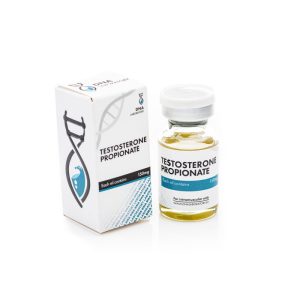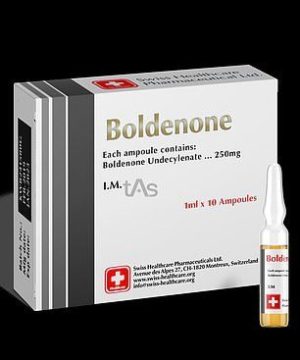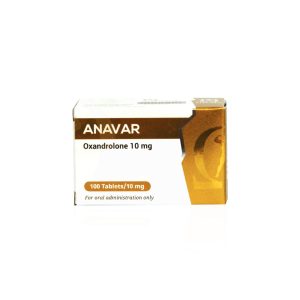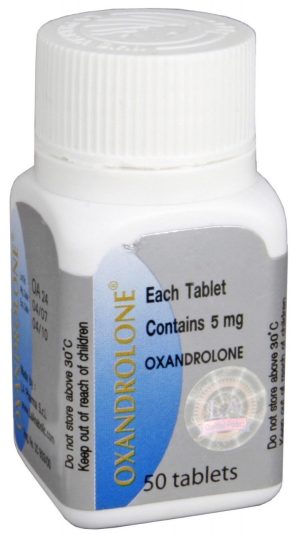
Research Overview: Nandrolone Phenylpropionate 100mg
Nandrolone Phenylpropionate is a 19-nortestosterone derivative anabolic steroid compound extensively utilised in laboratory research environments. This fast-acting ester variant enables researchers to investigate androgen receptor binding mechanisms and anabolic pathway modulation in controlled in-vitro studies. The 100mg concentration provides consistent research parameters for examining molecular interactions and cellular responses. Research institutions studying steroid biochemistry often evaluate this compound alongside comprehensive analytical protocols from Stroid UK Shop for reliable laboratory investigations.
Laboratory Investigation Applications
Research applications focus on examining short-chain ester kinetics and androgen receptor affinity studies. Scientists investigate this compound’s molecular behaviour compared to other research chemicals available in our nandrolone phenylpropionate category for comparative analysis. Laboratory studies examine nitrogen retention mechanisms, protein synthesis pathways, and collagen synthesis enhancement in cellular models. Researchers analyse pharmacokinetic profiles, studying rapid onset characteristics and clearance rates in controlled experimental conditions. These investigations contribute to understanding anabolic compound mechanisms alongside studies conducted with selective androgen receptor modulators and research peptides for comprehensive steroid research protocols.
Compound Specifications
| Parameter | Specification |
|---|---|
| Chemical Name | 19-nortestosterone phenylpropionate |
| Molecular Formula | C27H34O3 |
| Molecular Weight | 406.56 g/mol |
| CAS Number | 62-90-8 |
| Concentration | 100mg/ml |
| Ester Chain | Phenylpropionate |
| Storage | Room temperature, protected from light |
| Purity | ≥98% (HPLC verified) |
Research Compliance Notice
This nandrolone phenylpropionate preparation is manufactured exclusively for in-vitro research applications and laboratory studies. Not intended for human consumption, therapeutic use, or any purpose outside controlled scientific investigation. Researchers must maintain appropriate laboratory protocols and safety procedures when handling this compound. All studies should comply with institutional research guidelines and local regulations governing research chemical usage.