Nandrolone P Hilma Biocare — Research Summary
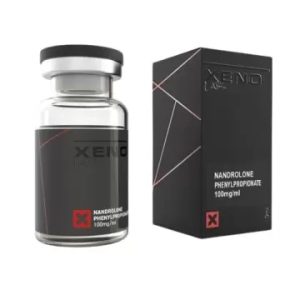
Nandrolone Phenylpropionate is a synthetic anabolic-androgenic steroid derived from nandrolone, featuring a shorter phenylpropionate ester chain compared to decanoate variants. This modification provides researchers with a faster-acting compound for controlled laboratory investigations. The compound maintains the characteristic 19-nortestosterone structure with enhanced tissue-selective properties that make it valuable for academic research. Scientists at Stroid UK Shop utilise this compound to examine androgenic receptor binding mechanisms and anabolic pathway modulation in cellular models.
Laboratory Research Applications
Research applications focus on studying protein synthesis enhancement mechanisms, nitrogen retention pathways, and collagen synthesis modulation in tissue culture systems. Academic laboratories investigate its effects on erythropoietin production and bone mineralisation processes through controlled in-vitro methodologies. The compound’s relatively short half-life enables researchers to examine acute responses in cellular assays with precise temporal control. Comparative studies with other nandrolone derivatives help elucidate structure-activity relationships in androgenic compound research. Cross-referencing with selective androgen receptor modulators provides insights into tissue-specific androgenic mechanisms.
Chemical Specifications
| Molecular Formula | C₂₇H₃₄O₃ |
|---|---|
| Molecular Weight | 406.56 g/mol |
| CAS Number | 62-90-8 |
| Physical Form | Injectable solution |
| Storage Temperature | Room temperature, protect from light |
| Manufacturer | Hilma Biocare |
These specifications enable researchers to maintain consistent experimental conditions and ensure reproducible results across multiple laboratory investigations. The compound’s stability profile supports extended research protocols when stored according to recommended conditions.
Research Compliance Statement
This nandrolone phenylpropionate preparation is manufactured exclusively for in-vitro research applications and laboratory analysis. The compound is not intended for human consumption, therapeutic use, or any application outside controlled laboratory environments. Researchers must maintain appropriate safety protocols and comply with institutional guidelines when handling this material. Integration with peptide research compounds requires careful consideration of experimental design and regulatory compliance frameworks governing research chemical usage.