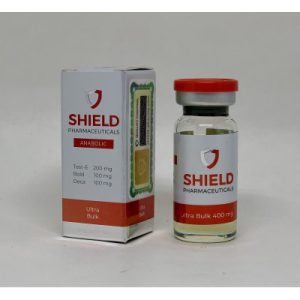
Research Overview: Nandrolone Decanoate 250mg
Nandrolone Decanoate is a long-acting ester of the anabolic steroid nandrolone, extensively studied for its effects on muscle protein synthesis and nitrogen retention in cellular research models. This 250mg formulation from Mactropin represents pharmaceutical-grade quality for advanced laboratory investigations into anabolic mechanisms and tissue development pathways. Research teams at Stroid UK Shop frequently utilise this compound to examine the complex relationships between androgen receptor binding and anabolic signalling cascades.
Laboratory Applications
Scientific investigations focus on nandrolone decanoate’s prolonged half-life characteristics, making it valuable for extended-duration studies examining tissue growth factors and collagen synthesis. Researchers analyse its interaction with androgen receptors in muscle tissue models, evaluating its potential for therapeutic applications in muscle wasting conditions. The decanoate ester modification provides sustained release properties, enabling consistent plasma levels throughout experimental periods. Studies complement findings from SARMS research and peptide investigations, offering comparative data on different anabolic pathways. Laboratory protocols examine its effects on bone mineral density, red blood cell production, and immune function markers in controlled research environments.
Technical Specifications
| Parameter | Value |
|---|---|
| Compound | Nandrolone Decanoate |
| Concentration | 250mg/ml |
| Manufacturer | Mactropin |
| Chemical Formula | C28H44O3 |
| Molecular Weight | 428.65 g/mol |
| CAS Number | 360-70-3 |
| Storage | Room temperature, dry conditions |
This formulation enables researchers in the nandrolone research category to investigate long-term anabolic effects with minimal dosing frequency requirements.
Research Compliance
This product is exclusively intended for in-vitro research applications and laboratory studies. Not approved for human consumption, therapeutic use, or any application outside controlled research environments. Researchers must comply with institutional guidelines and safety protocols when handling this compound.