Product Overview: Nandrolone-D 300 Pharmaqo Labs
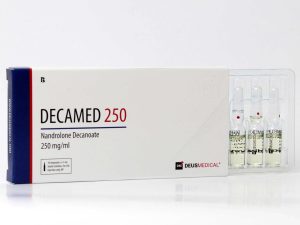
Nandrolone-D 300 is a long-acting anabolic steroid compound manufactured by Pharmaqo Labs for laboratory research applications. This pharmaceutical-grade research chemical contains nandrolone decanoate at 300mg/ml concentration, specifically formulated for in-vitro studies examining anabolic pathways and protein synthesis mechanisms. Researchers at Stroid UK Shop investigate this compound’s molecular interactions and biological effects in controlled laboratory environments. The extended ester chain provides sustained release characteristics, making it valuable for long-term research protocols examining anabolic signalling cascades.
Laboratory Applications
Scientists utilise Nandrolone-D 300 to study anabolic steroid receptor binding affinity and tissue-specific responses in cellular models. Research applications include investigating nitrogen retention mechanisms, collagen synthesis pathways, and bone mineralisation processes. Laboratory studies examine how this compound influences muscle protein synthesis rates and myofibrillar protein accretion in tissue cultures. Comparative research with compounds from our nandrolone research category helps elucidate structure-activity relationships. Advanced research protocols evaluate interactions with other research chemicals including SARMs and peptides to understand synergistic mechanisms in cellular models.
Technical Specifications
| Active Ingredient | Nandrolone Decanoate |
|---|---|
| Concentration | 300mg/ml |
| Manufacturer | Pharmaqo Labs |
| Form | Injectable Solution |
| CAS Number | 360-70-3 |
| Molecular Formula | C28H44O3 |
| Storage | Room Temperature |
| Purity | Pharmaceutical Grade |
Research Compliance Statement
This Nandrolone-D 300 preparation is manufactured exclusively for in-vitro research purposes and laboratory investigations. Not approved for human consumption or therapeutic applications. Researchers must comply with all applicable regulations governing research chemical handling and storage. Only qualified laboratory personnel should examine this compound in appropriate research facilities with proper safety protocols.