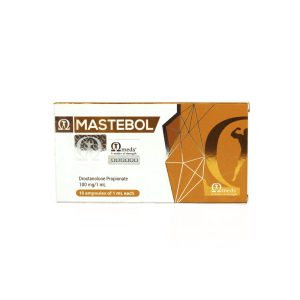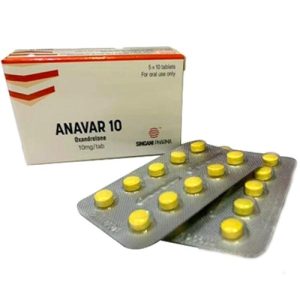

Methenolone Acetate – at a Glance
Methenolone acetate is a synthetic anabolic steroid compound derived from dihydrotestosterone, characterised by the addition of a 1-methyl group and acetate ester modification. This compound exhibits reduced androgenic activity relative to testosterone while maintaining significant anabolic properties in laboratory research models. The acetate ester provides rapid onset characteristics, making it valuable for controlled experimental protocols examining short-term androgenic receptor binding dynamics. Researchers at Stroid UK Shop utilise this compound to investigate tissue-selective anabolic mechanisms and receptor affinity studies in various cellular environments.
Laboratory Applications
Methenolone acetate serves as an important research tool for studying androgenic receptor selectivity and anabolic pathway modulation in controlled laboratory settings. Research applications include investigating muscle protein synthesis pathways, examining nitrogen retention mechanisms, and evaluating tissue-specific androgenic responses in cellular models. The compound’s favourable anabolic-to-androgenic ratio makes it particularly useful for comparative studies with other methenolone acetate formulations and related anabolic compounds. Scientists also investigate its metabolic effects on lipid profiles and potential hepatotoxicity markers compared to other synthetic anabolic agents. Researchers studying SARMs and peptides often use methenolone acetate as a reference compound for comparative androgenic receptor binding studies.
Product Specifications
| Parameter | Specification |
|---|---|
| Concentration | 50mg/ml |
| Volume | 10ml per vial |
| Manufacturer | USA Euro-Pharmacies |
| Chemical Formula | Verify with supplier |
| CAS Number | Verify with supplier |
| Storage Conditions | Room temperature, protect from light |
| Stability | Stable when stored properly |
Research Compliance
This methenolone acetate formulation is supplied exclusively for in-vitro research purposes and laboratory analytical studies. Not intended for human consumption, diagnostic use, or therapeutic applications. Researchers must ensure compliance with institutional guidelines and applicable regulations when handling this compound. Proper laboratory protocols and safety measures should be implemented when conducting research with this material.