Research Overview: Metha 10 Chang Methandienone
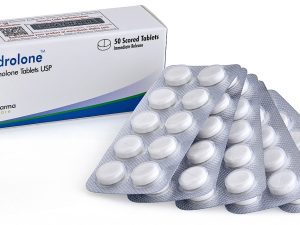
Metha 10 Chang is a synthetic anabolic-androgenic steroid compound derived from methandienone, specifically formulated for advanced laboratory research applications. This compound represents a significant research tool for scientists investigating anabolic pathways and muscle protein synthesis mechanisms in controlled experimental settings. Research facilities studying steroid biochemistry and receptor binding dynamics rely on high-purity compounds like Metha 10 Chang for accurate analytical results. Our Stroid UK Shop ensures researchers receive consistently reliable materials for their investigations.
Laboratory Research Applications
Research scientists examine Metha 10 Chang to investigate androgen receptor binding affinity and downstream signalling pathways in cellular models. Studies focus on evaluating protein synthesis enhancement mechanisms and nitrogen retention properties in tissue culture systems. Comparative research between methandienone derivatives and other anabolic steroid compounds provides valuable insights into structural activity relationships. Advanced research protocols investigate metabolic pathways and enzymatic interactions within hepatic cell models. Scientists also study receptor selectivity patterns and examine potential synergistic effects when combined with other research compounds available through specialist suppliers offering selective androgen receptor modulators and research peptides for comprehensive comparative studies.
Technical Specifications
| Parameter | Specification |
|---|---|
| Active Compound | Methandienone |
| Molecular Formula | C20H28O2 |
| Molecular Weight | 300.44 g/mol |
| CAS Number | 72-63-9 |
| Physical Form | Oral tablets |
| Storage Requirements | Cool, dry conditions |
| Purity Grade | Research standard |
| Packaging | Laboratory sealed |
Research Compliance Statement
Metha 10 Chang is supplied exclusively for in-vitro laboratory research purposes and scientific investigation. This compound is not intended for human consumption, therapeutic use, or any application outside controlled research environments. Researchers must comply with applicable laboratory safety protocols and regulatory guidelines when handling this material.