Compound Profile: Levitra 10 Bayer
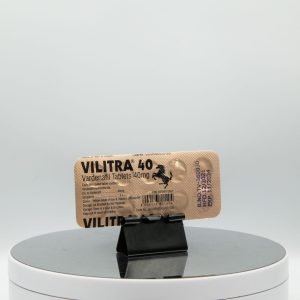
Levitra 10 Bayer is a pharmaceutical-grade PDE5 inhibitor containing 10mg vardenafil hydrochloride per tablet, manufactured by Bayer AG for laboratory research applications. Vardenafil belongs to the class of phosphodiesterase type 5 (PDE5) inhibitors and serves as a valuable research tool for investigating erectile dysfunction mechanisms, vascular smooth muscle physiology, and nitric oxide signalling pathways. This authentic pharmaceutical preparation provides researchers with standardised vardenafil formulations identical to clinical-grade Levitra tablets, enabling precise in-vitro studies of PDE5 enzyme inhibition and cyclic GMP pathway modulation. Each tablet delivers consistent 10mg dosing for reproducible experimental conditions in erectile dysfunction research protocols.
Laboratory studies frequently examine vardenafil’s molecular interactions with PDE5 enzymes and comparative efficacy against other phosphodiesterase inhibitors. Research teams investigating cardiovascular physiology utilise Levitra tablets to analyse smooth muscle relaxation mechanisms and endothelial function in various tissue models. The compound’s selectivity profile makes it particularly valuable for researchers at Stroid UK Shop examining PDE5-specific pathways without significant cross-reactivity with other phosphodiesterase subtypes.
Laboratory Applications
Research applications for Levitra 10 Bayer encompass multiple areas of pharmaceutical and physiological investigation. Scientists examine vardenafil’s inhibitory effects on PDE5 enzymes in tissue culture systems, measuring IC50 values and selectivity coefficients across different experimental conditions. Vascular research protocols utilise these tablets to investigate smooth muscle relaxation responses and nitric oxide-dependent vasodilation in various arterial preparations. Comparative studies evaluate vardenafil’s pharmacodynamic properties against sildenafil and tadalafil, providing insights into structural-activity relationships within the PDE5 inhibitor class.
Researchers working with erectile dysfunction research compounds frequently incorporate Levitra tablets into dose-response studies and enzyme kinetic analyses. The standardised pharmaceutical formulation ensures consistent results across multiple experimental replicates, while Bayer’s manufacturing standards guarantee compound purity and stability for extended research programmes. Laboratory teams studying endothelial dysfunction and cardiovascular pathophysiology utilise vardenafil as a research tool to examine cyclic nucleotide signalling pathways and their role in vascular homeostasis.
Specifications & Storage
| Parameter | Value |
|---|---|
| Active Compound | Vardenafil Hydrochloride |
| Strength | 10mg per tablet |
| Manufacturer | Bayer AG |
| Formulation | Pharmaceutical tablet |
| CAS Number | 224785-91-5 (vardenafil) |
| Molecular Formula | C₂₃H₃₂N₆O₄S·HCl |
| Molecular Weight | 579.10 g/mol |
| Storage Temperature | Room temperature (15-30°C) |
| Storage Conditions | Dry, protected from light |
| Stability | 36 months from manufacture date |
Optimal storage requires maintaining tablets in original pharmaceutical packaging at controlled room temperature, protected from moisture and direct light exposure. Laboratory storage protocols should ensure containers remain tightly sealed between research sessions to preserve compound integrity. Researchers studying similar compounds may also investigate selective androgen receptor modulators or research peptides for complementary physiological pathways.
Compliance Statement
Levitra 10 Bayer tablets are supplied exclusively for in-vitro research purposes and laboratory investigation of PDE5 inhibition mechanisms. This pharmaceutical preparation is not intended for human consumption, therapeutic use, or any application outside controlled laboratory environments. Researchers must maintain appropriate laboratory safety protocols when handling pharmaceutical compounds and ensure compliance with institutional research guidelines. All experimental work should be conducted by qualified personnel within accredited research facilities following established laboratory safety procedures and regulatory requirements for pharmaceutical research materials.