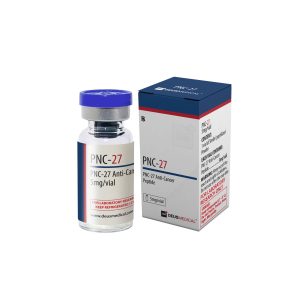

Research Overview: GHRP-2 Peptide Analysis
GHRP-2 is a synthetic growth hormone-releasing peptide (GHRP) hexapeptide that researchers examine for its potential to stimulate growth hormone secretion pathways. This laboratory-grade compound from Deus Medical enables scientists to investigate cellular mechanisms involved in growth hormone regulation and pituitary function. Research facilities studying endocrine signaling pathways frequently evaluate GHRP-2 for its selective receptor binding properties and downstream molecular effects. The peptide’s synthetic nature allows for consistent experimental conditions when researchers analyse growth hormone release patterns in controlled laboratory environments.
Laboratory Research Applications
Research scientists examine GHRP-2 in various experimental protocols investigating growth hormone physiology and cellular signaling cascades. Laboratory studies focus on analyzing how this peptide interacts with growth hormone secretagogue receptors and subsequent intracellular messaging systems. Researchers evaluate the compound’s effects on pituitary cell cultures and examine its role in growth hormone pulse generation mechanisms. The peptide serves as a valuable research tool for scientists studying age-related changes in growth hormone secretion and investigating potential therapeutic applications. Many research institutions conducting peptide research also examine compounds available through Stroid UK Shop alongside studies of selective androgen receptor modulators and other research peptides for comparative analysis purposes.
Technical Specifications
| Parameter | Specification |
|---|---|
| Peptide Sequence | D-Ala-D-2-Nal-Ala-Trp-D-Phe-Lys-NH2 |
| Molecular Weight | 817.9 g/mol |
| Molecular Formula | C45H55N9O6 |
| Purity | ≥98% (HPLC verified) |
| Storage | -20°C, protect from light |
| Solubility | Water soluble |
| Appearance | White lyophilized powder |
Research Compliance Statement
This GHRP-2 10mg product is manufactured exclusively for in-vitro research applications and laboratory analysis. The compound is not intended for human consumption, therapeutic use, or any application outside controlled research environments. Researchers must ensure compliance with institutional guidelines and applicable regulations when conducting studies with this material. All experimental protocols should be conducted by qualified personnel in appropriate laboratory facilities with proper safety equipment and documentation procedures.