Dexxa 250 Thaiger Pharma — Research Summary
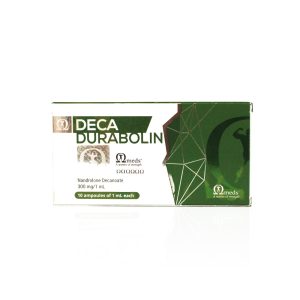
Dexxa 250 Thaiger Pharma is a nandrolone decanoate-based research chemical specifically formulated for laboratory analysis and in-vitro studies. This pharmaceutical-grade compound provides researchers with a standardised platform to investigate anabolic steroid structures and their molecular properties. Each package contains 10 ampoules of 1ml, offering sufficient material for comprehensive research protocols examining the biochemical characteristics of nandrolone derivatives.
Researchers at Stroid UK Shop utilise this compound alongside other nandrolone decanoate preparations to study ester modifications and their impact on molecular stability. The controlled formulation enables precise analytical work examining steroid metabolism pathways and receptor binding mechanisms.
Laboratory Applications
Scientific investigations with Dexxa 250 focus on analysing nandrolone decanoate’s structural properties and chemical behaviour under controlled laboratory conditions. Research applications include chromatographic analysis, mass spectrometry studies, and molecular interaction research. The compound’s standardised concentration facilitates reproducible experimental results across multiple research sessions.
Advanced research protocols examine the compound’s stability profiles, degradation pathways, and interaction with various analytical reagents. Comparative studies often incorporate selective androgen receptor modulators and peptide compounds to evaluate structural differences and receptor selectivity patterns in laboratory settings.
Analytical Specifications
| Active Compound | Nandrolone Decanoate |
|---|---|
| Concentration | 250mg/ml |
| Package Format | 10 ampoules × 1ml |
| Manufacturer | Thaiger Pharma |
| Storage Requirements | Room temperature, dry conditions |
| CAS Number | Verify with supplier |
Research Compliance
This product is intended strictly for in-vitro laboratory research and analytical studies only. Not approved for human consumption, therapeutic use, or any application outside controlled research environments. Researchers must comply with institutional safety protocols and regulatory guidelines when handling this material.