Research Overview: DECAPEX 200 SIXPEX
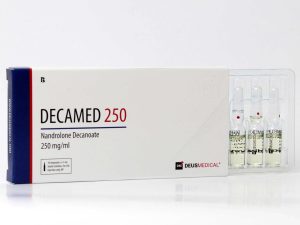
Nandrolone decanoate is a synthetic anabolic-androgenic steroid extensively studied in laboratory research applications. DECAPEX 200 SIXPEX delivers this established research compound in injectable form, enabling comprehensive investigation of androgenic receptor interactions and anabolic pathway mechanisms. Researchers at Stroid UK Shop can examine the compound’s effects on protein synthesis, nitrogen balance, and cellular growth factors in controlled laboratory environments. This nandrolone preparation allows detailed analysis of steroid hormone receptor binding and downstream signalling cascades.
Laboratory Research Applications
Research scientists utilise nandrolone decanoate to investigate muscle protein synthesis mechanisms, collagen production pathways, and bone mineral density effects in experimental models. The compound’s long-acting ester profile enables extended research protocols examining sustained androgenic activity. Studies focus on nitrogen retention mechanisms, red blood cell production enhancement, and calcium deposition in bone tissue. Comparative research with other nandrolone compounds reveals distinct pharmacokinetic properties. Advanced researchers analyse interactions with IGF-1 pathways, glucocorticoid antagonism, and satellite cell activation mechanisms in tissue culture studies.
Research Specifications
| Chemical Name | Nandrolone Decanoate |
|---|---|
| CAS Number | 360-70-3 |
| Molecular Formula | C28H44O3 |
| Molecular Weight | 428.65 g/mol |
| Concentration | 200mg/mL |
| Form | Injectable Solution |
| Purity | Pharmaceutical Grade |
| Storage | Room Temperature, Protected from Light |
Researchers studying anabolic mechanisms often cross-reference findings with SARM compounds and peptide research materials to establish comparative efficacy profiles in controlled experimental conditions.
Research Compliance Notice
DECAPEX 200 SIXPEX is supplied exclusively for in-vitro laboratory research purposes. This product is not intended for human consumption, therapeutic use, or any application outside accredited research facilities. Researchers must maintain appropriate laboratory safety protocols and disposal procedures when handling this steroid compound. All studies should comply with institutional research guidelines and applicable regulatory frameworks governing controlled substance research.