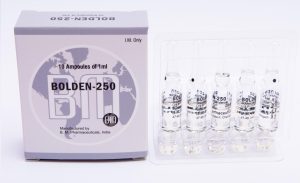
Research Overview: Decabol 250 British Dragon
Decabol 250 British Dragon is a laboratory-grade nandrolone decanoate research compound designed for in-vitro studies examining anabolic steroid mechanisms and cellular responses. This research-only formulation enables scientists to investigate the molecular pathways and receptor interactions of long-ester nandrolone compounds under controlled laboratory conditions. Researchers at Stroid UK Shop utilise this compound to study protein synthesis modulation and nitrogen retention mechanisms in cellular models.
Laboratory Research Applications
Scientists study Decabol 250 to examine how nandrolone decanoate interacts with androgen receptors and influences cellular anabolic processes. Research applications include investigating tissue selectivity profiles, examining metabolic pathway modulation, and analysing long-term cellular adaptations to anabolic stimuli. Laboratory studies evaluate this compound’s effects on collagen synthesis, bone density markers, and muscle protein turnover rates. Comparative research examines how this formulation differs from shorter-ester compounds available in our nandrolone research category. Advanced studies investigate potential synergistic effects when combined with research compounds from our SARMs collection or peptide research lines.
Technical Specifications
| Parameter | Specification |
|---|---|
| Active Compound | Nandrolone Decanoate |
| Concentration | 250mg/ml |
| CAS Number | 360-70-3 |
| Molecular Formula | C28H44O3 |
| Molecular Weight | 428.65 g/mol |
| Storage Conditions | Room temperature, dry environment |
| Research Grade | Laboratory standard |
| Manufacturer | British Dragon |
Research Compliance Information
Decabol 250 British Dragon is manufactured exclusively for in-vitro laboratory research purposes. This compound is not approved for human consumption, therapeutic use, or any application outside controlled laboratory environments. Researchers must handle this material according to institutional safety protocols and applicable research guidelines. All studies must comply with relevant laboratory safety standards and institutional review board requirements.