
Research Overview: CLENOMED 40 DEUS MEDICAL
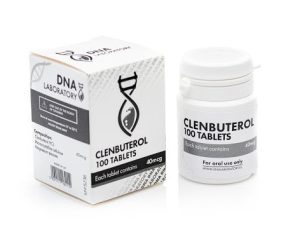
CLENOMED 40 DEUS MEDICAL is a research-grade clenbuterol hydrochloride formulation designed for advanced metabolic and thermogenesis studies. Each tablet contains 40mcg of pharmaceutical-grade clenbuterol hydrochloride, making it suitable for researchers investigating beta-2 adrenergic receptor mechanisms and cellular energy expenditure pathways. This compound has gained significant attention in laboratory settings for its unique molecular interactions with adrenergic receptors. Research facilities examining thermogenic compounds often evaluate clenbuterol alongside other metabolic modulators available through Stroid UK Shop for comprehensive metabolic pathway analysis.
Laboratory Applications
Researchers study CLENOMED 40 for investigating beta-2 adrenergic receptor binding affinity and downstream signalling cascades. Laboratory investigations focus on examining cellular thermogenesis mechanisms, protein synthesis pathways, and metabolic rate modulation in controlled experimental conditions. Scientists analyse the compound’s effects on cAMP signalling pathways and adenylyl cyclase activation in cellular models. Research applications include examining lipolysis mechanisms, muscle protein preservation during caloric restriction studies, and bronchodilation effects in respiratory tissue models. Many laboratories combine clenbuterol research with studies on fat burning tablets to understand synergistic metabolic effects. Advanced research protocols also investigate interactions with SARMs and peptides in metabolic pathway studies.
Technical Specifications
| Parameter | Value |
|---|---|
| Active Compound | Clenbuterol Hydrochloride |
| Concentration | 40mcg per tablet |
| Molecular Formula | C12H18Cl2N2O·HCl |
| Molecular Weight | 313.65 g/mol |
| CAS Number | 21898-19-1 |
| Storage Conditions | Room temperature, dry environment |
Research Compliance
CLENOMED 40 DEUS MEDICAL is manufactured exclusively for in-vitro laboratory research applications. This product is not intended for human consumption, therapeutic use, or any purpose outside controlled research environments. Researchers must adhere to institutional safety protocols when handling this compound.